



Salt Cell Chlorinator in Fort Mill, SC
Keeping a pool clean should not eat up your weekend. A salt cell chlorinator makes chlorine for you, right in the plumbing, so the water stays sanitized without weekly trips to the store for jugs and tabs. As part of our Equipment & Repairs services, Net Positive Pools installs, repairs, and replaces salt chlorine generators for saltwater pools. We handle the installation, testing, and repairs so swimming pool owners in Fort Mill, Tega Cay, and Rock Hill can spend more time in the water.
How a Salt Cell Chlorinator Makes Its Own Chlorine
A salt chlorine generator works by passing your pool water across a set of coated metal plates inside the chlorinator cell. Those titanium plates are powered by a control system that sends a low-voltage current through the cell, and as salted water passes across them, the salt splits into chlorine. That is the whole idea behind a salt system: the salt cell keeps making fresh chlorine, instead of you pouring it in by hand.
Most units show salt output and cell status in real time on the panel, so you always know how the salt chlorination system is doing. Have that data at your fingertips with our pool automation services.
Because the chlorine is made continuously, a saltwater pool often holds a more consistent chlorine level compared to dosing by hand. The chlorinator cell does the day-to-day work, and you step in to keep the salt and water chemistry in range.

Salt Level, CYA Level, and the Numbers That Matter
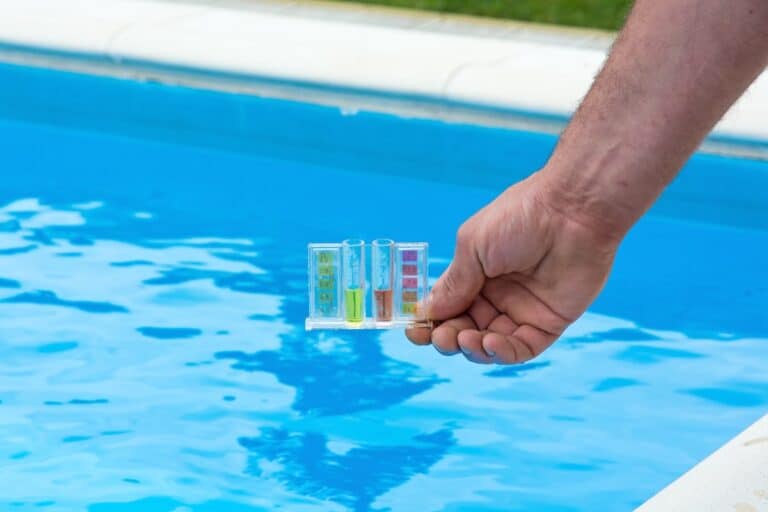
A cell needs the right amount of salt in the water to make chlorine, usually around 3,000 to 3,400 ppm depending on the salt generator. Too little salt and the cell cannot keep up. Too much and you risk scaling on the plates. We check the salt level on every visit and top it off as needed.
CYA, or cyanuric acid, is the stabilizer that protects chlorine from burning off in the Fort Mill sun. Low CYA leads to rapid chlorine loss in sunlight. High CYA reduces chlorine effectiveness and can make sanitation harder to maintain even while the cell is running.
We test the CYA level during service and adjust it so the cell runs efficiently instead of overworking. High calcium hardness levels speed up calcium buildup on the plates, so we watch those numbers alongside pH and alkalinity to keep the whole salt pool system balanced.
Salt Pool vs Traditional Chlorine Pool
In a saltwater pool, the salt cell makes the chlorine for you. In a traditional chlorine pool, you add it yourself. Here is how the two compare:
- Where the chlorine comes from: the cell generates it as water moves, rather than being added by hand with tabs or liquid.
- Smell of the water: softer and less noticeable, compared with a stronger chlorine smell after dosing.
- Weekly routine: a quick check of the salt level and CYA level, versus testing and adding chlorine often.
- Feel of the water: silky and easy on skin and eyes, while a dosed pool can feel harsher.
- Ongoing cost: salt plus periodic cell replacement, versus repeat chlorine purchases.
A saltwater pool is not chlorine-free. It simply makes the chlorine on-site from salt, which is why the water feels softer and the chlorine smell is lighter.
Calcium Buildup and Keeping the Cell Clean
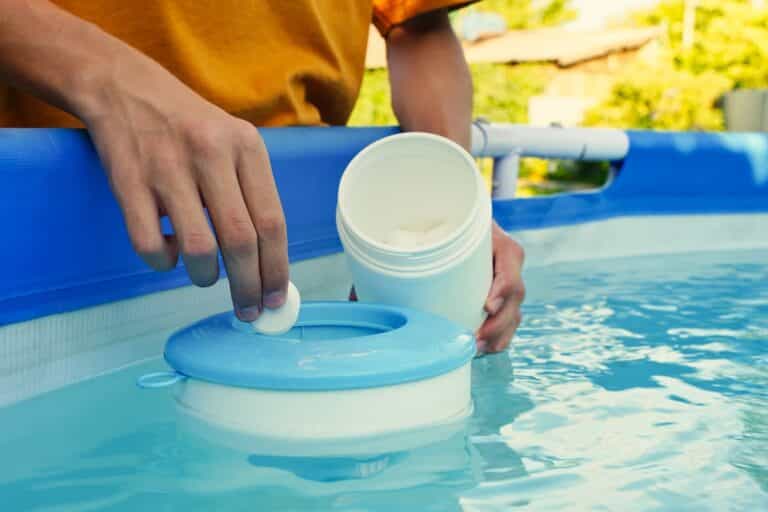
Over time, calcium buildup forms a white crust on the titanium plates inside the cell. A little is normal, but too much buildup blocks water flow across the metal plates and drops your chlorine output. We clean the cells, check the plates, clear scale, and confirm that the flow sensor and power supply still read correctly. If your pool has stubborn staining or heavy calcium on the surfaces, an acid wash may help alongside cell service. Pairing salt cell cleaning with filter cleaning keeps the whole pool system moving water the way it should.
Why Net Positive Pools in Fort Mill, SC
Net Positive Pools works on pools in the Fort Mill, Tega Cay, and Rock Hill area every week so we know the quirks of each cell brand and how to keep them running. Our background-checked technicians show up on schedule, talk you through what your pool actually needs, and price the work up front with no surprises. When your salt system needs a new cell, a panel fix, or just steady pool care, we treat your pool like it is our own. That is how pool owners across Fort Mill get crystal-clear water without the runaround.
Frequently Asked Questions
How long does a salt cell last?
Most last three to five years, depending on run time, water chemistry, and how well scale is kept in check. Steady CYA level and salt management, plus twice-a-year cleaning, help you get the full lifespan.
Do I still test my water in a saltwater pool?
Yes. The salt generator handles chlorine, but you still want to watch salt level, CYA level, pH, and calcium hardness. We handle this testing on every visit so the salt system stays balanced.
Why does my cell say low salt when I just added salt?
Cold water temperature and calcium scale on the plates can both trigger a false low-salt reading. We check the cell, the water temperature, and the CYA level to find the real cause instead of dumping in more salt.
Can you convert my traditional chlorine pool to salt?
In most cases, yes. We can add a salt chlorinator to an existing pool, get the salt dialed in, and walk you through the switch from a traditional chlorine pool to a saltwater pool.
More Services
Weekly Maintenance
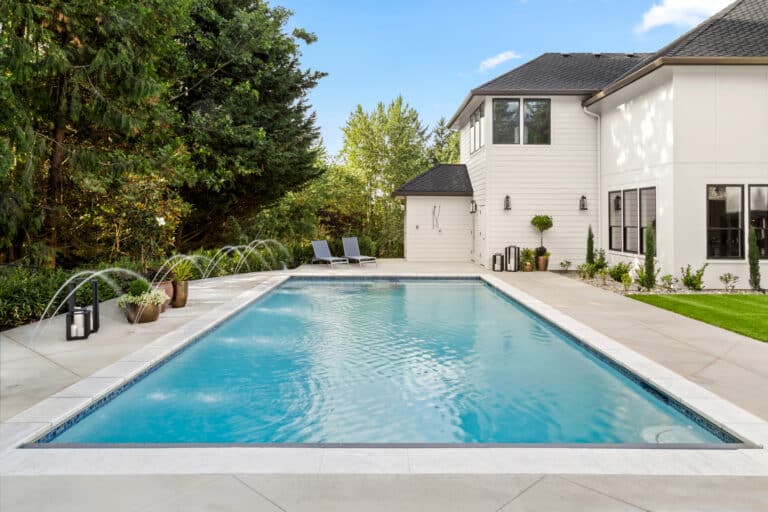
Keep your pool clean, balanced, and swim-ready all season long with our weekly maintenance service. Our experienced, background-checked technicians handle the essentials. With consistent care, you’ll enjoy crystal-clear water, longer-lasting equipment, and peace of mind knowing your pool is in expert hands every week.
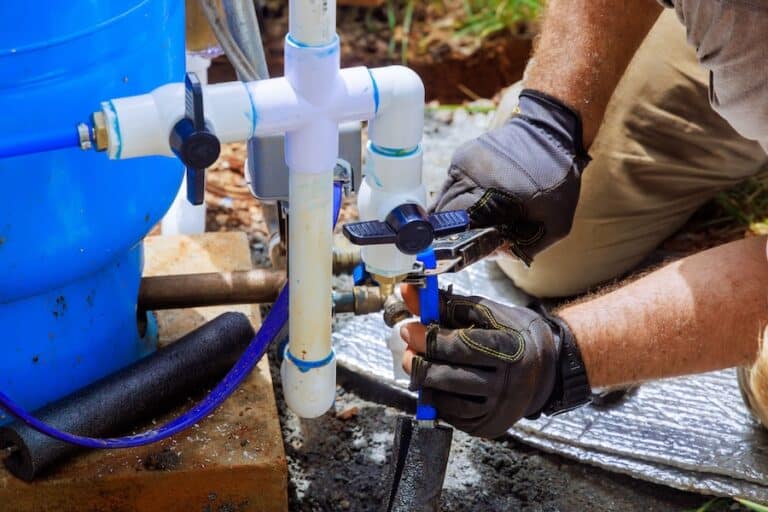
Equipment & Repairs
From weekly maintenance and repairs to full equipment replacements, our experienced, background-checked technicians keep your pool running at its best using quality parts from top brands. We offer transparent pricing with no hidden fees and back all equipment we sell with a three-year warranty on parts and labor.
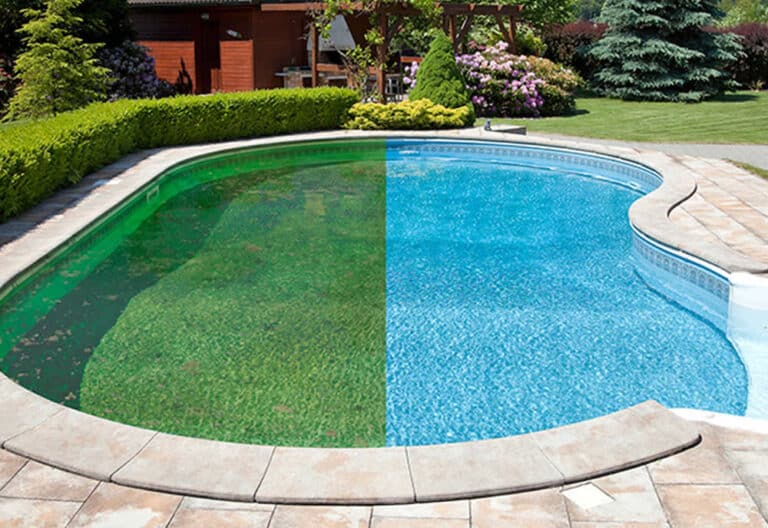
Green To Clean
If your pool has turned green or black with algae, we can bring it back to life. We treat, pump, and clean even the worst cases, then carefully balance the water chemistry so it’s safe, clear, and ready to swim in again.
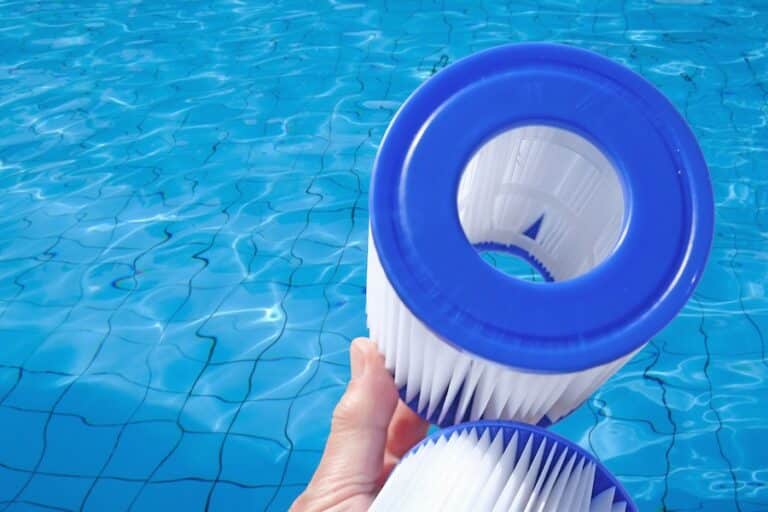
Filter Cleaning
A clean filter is the key to clear water and a longer-lasting pool system. We offer filter and salt cell cleanings twice a year to keep your equipment running efficiently, catch early warning signs like rust or iron buildup, and help you avoid the costly repairs that come with neglected, high-pressure filtration.
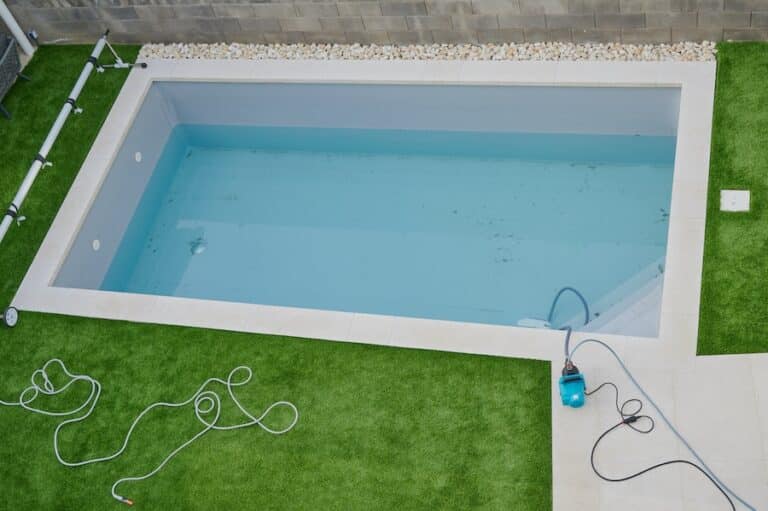
Acid Wash
If your pool still looks stained, dull, or has calcium buildup even after a standard cleaning, an acid wash may be the solution. It’s a cost-effective alternative to resurfacing that removes a thin layer of plaster to restore your pool’s appearance, and we can also drain and wash your pool to clear stubborn calcium deposits.
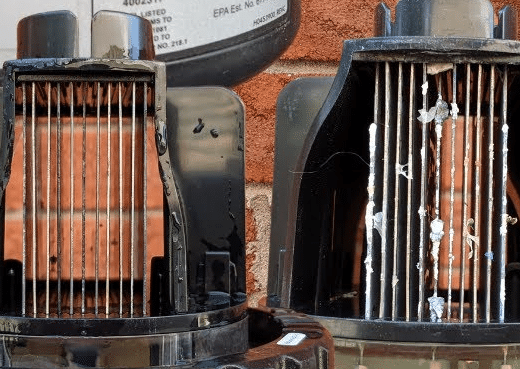
Salt Cell Cleaning
A salt cell needs regular cleaning to keep your water properly sanitized and crystal clear. We service them twice a year to prevent buildup, ensure consistent chlorine conversion, and keep your pool safe and balanced all season long.
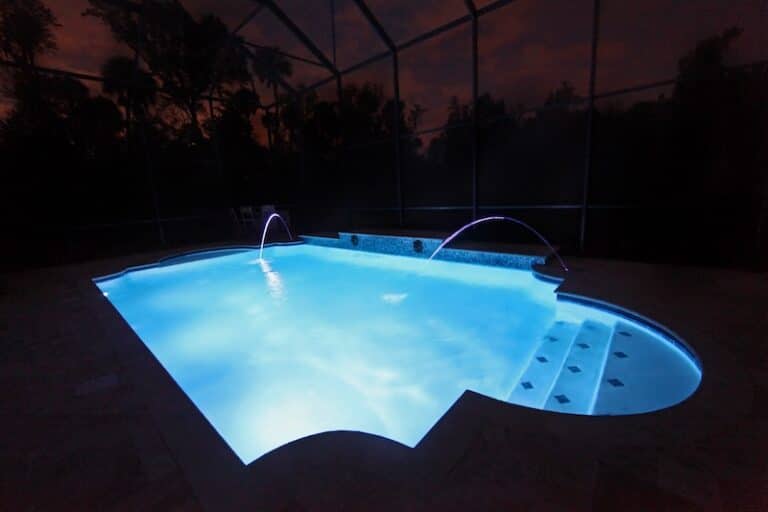
Pool Closing
Extend your swim season with a professionally installed pool heater designed for performance and efficiency. We handle everything from new heater installations to troubleshooting and repairs, ensuring consistent water temperature and reliable operation year-round.


Ready To Start?
Tell us about your pool and we will recommend the right salt cell chlorinator, size it to your gallons, and set up a service schedule that fits Fort Mill weather.