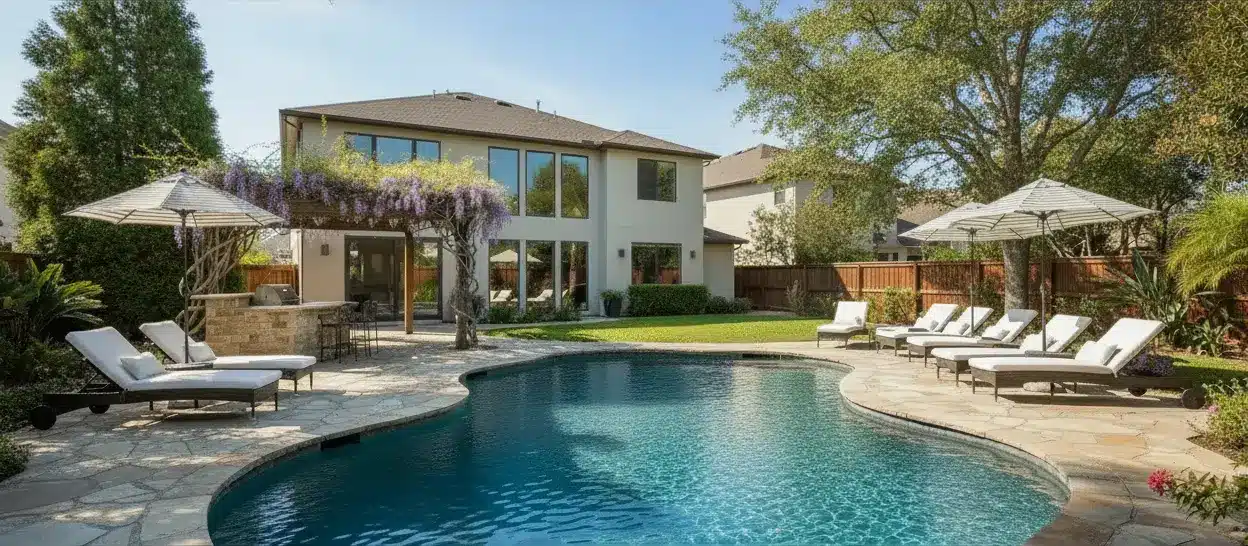
What is the Cost of Resurfacing a Pool?
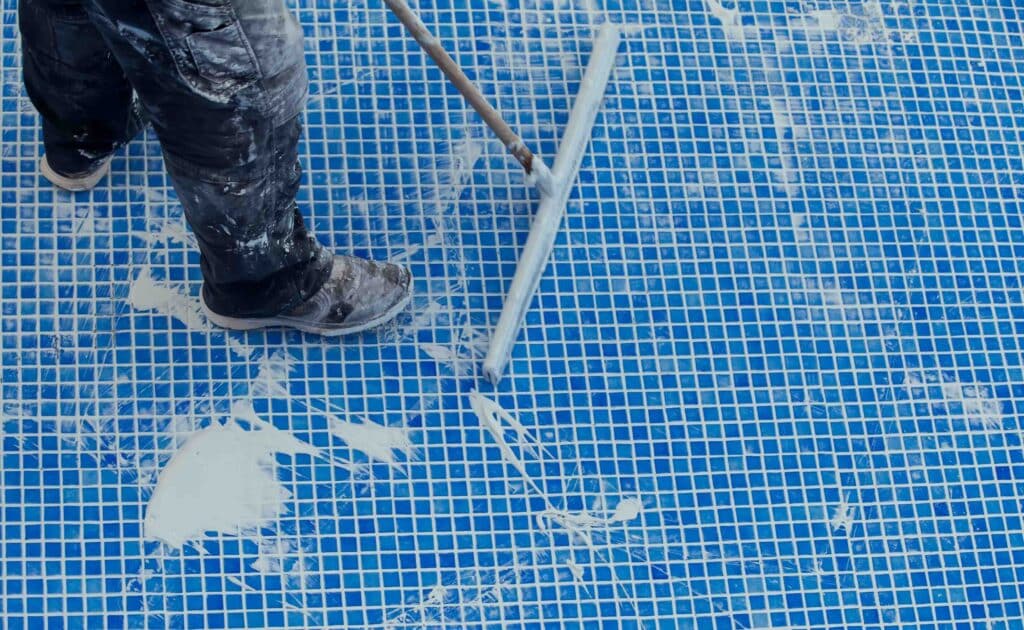
A worn, stained, or rough swimming pool surface looks unattractive, and it can also harbor algae and lead to more serious structural problems if left unaddressed. Pool resurfacing involves applying a new finish over the existing pool shell, restoring both aesthetic appeal and function while extending the life of the pool.
Resurfacing costs vary widely depending on pool size, material choice, and local labor rates. In North Carolina, for instance, the average cost is between $4,500 and $12,000 for a standard residential pool. Understanding the different resurfacing options and what drives costs helps you make an informed decision that balances budget, durability, and aesthetics.
What Is Pool Resurfacing?
Pool resurfacing is the process of applying a new interior finish to the pool’s surface. This covers the existing shell on gunite, concrete, or fiberglass pools, restoring smooth texture and appearance. Resurfacing is different from pool remodeling or reconstruction. It is also different from pool replastering, which involves replacing the entire existing surface layer instead of only the top layer.
The resurfacing process includes:
- Completely draining the pool
- Preparing the existing surface through chipping, cleaning, and acid washing
- Applying the new finish material
- Allowing proper curing time before refilling
- Balancing startup chemical
It is important to note that resurfacing does not typically include tile replacement, coping repairs, equipment upgrades, pool deck resurfacing, or pool repairs involving plumbing and structural fixes. These are often added to a resurfacing project but carry separate costs.
Signs Your Pool Needs Resurfacing
Surface Deterioration
Changes in the pool’s surface are often among the first signs that resurfacing is needed. A rough texture, plaster that is flaking, chipping, or peeling, exposed aggregate or gunite showing through the finish, minor surface cracks, and blistering or delamination all indicate the surface is wearing out.
Appearance Issues
Permanent staining that does not respond to cleaning, discoloration or fading, chalky residue on the surface, mottled or blotchy appearance, and etching from chemical imbalance all affect the look of your pool and are signs of surface breakdown.
Functional Problems
Difficulty maintaining water chemistry, algae that keeps returning despite regular maintenance, increased chemical usage, water loss beyond normal evaporation, and a surface that cuts or scrapes swimmers all mean that resurfacing should be considered.
Current Surface Age
- Standard Plaster: Lasts 7 to 15 years
- Pebble Finishes: Last 15 to 20 years or more
- Epoxy Paint Finishes: Lasts 3 to 5 years
- Quartz Finishes: Last 12 to 20 years.
Factors that shorten lifespan include poor water chemistry, high calcium hardness, and frequent acid washing.
Pool Resurfacing Costs for Different Materials
Plaster
Basic plaster is the most affordable resurfacing option. It provides a classic white or light blue appearance with a smooth finish when new. The typical cost per square foot is $6 to $8. For an average pool, total pool resurfacing costs range from $6,000 to $8,000, but there are many other factors that impact this total.
Quartz Finish
Quartz finish combines plaster with quartz crystals for a more durable surface than standard plaster. It creates a sparkle effect in sunlight and comes in a wide range of colors. Quartz finishes have a lifespan of 10 to 15 years and cost $7 to $12 per square foot, with total cost for an average pool ranging from $7,000 to $9,000.
Pebble Finish
Pebble finish embeds natural pebbles in plaster for a durable option. It provides a natural, lagoon-like appearance with a textured surface that can be polished smooth. Pebble finishes have a lifespan of 15 to 25 years and cost $10 to $18 per square foot, with total cost for an average pool ranging from $7,000 to $15,000.
Tile Finish
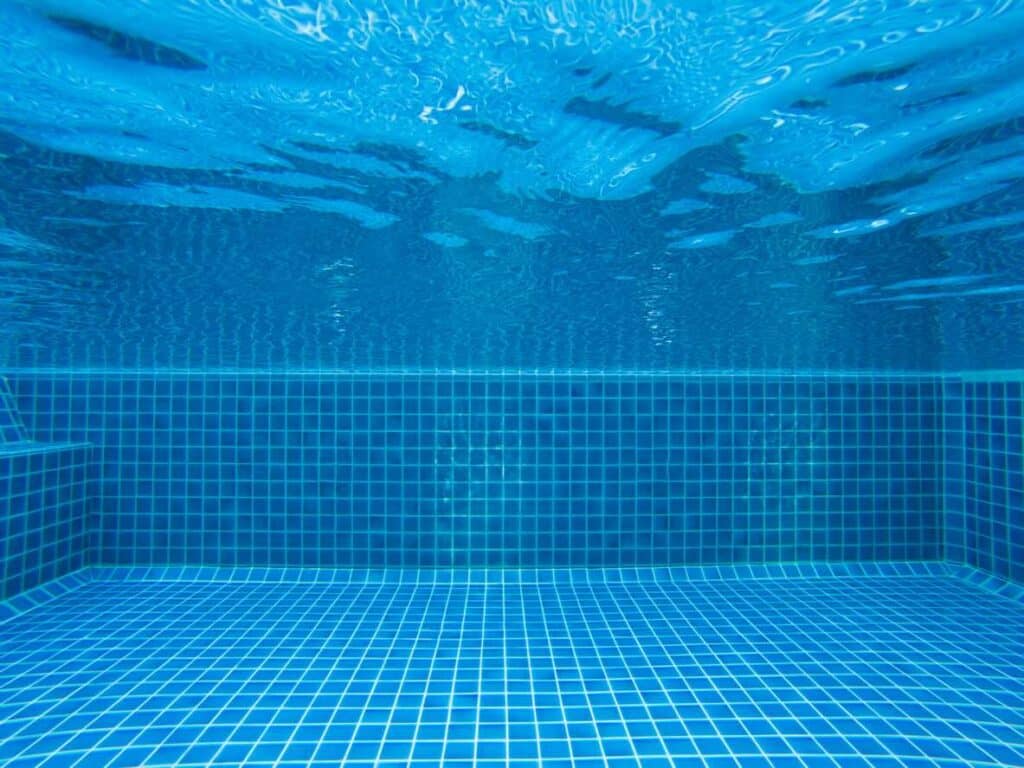
A tile finish using porcelain, glass, fiberglass, or ceramic tiles covering the entire pool typically has a long lifespan, but these installations can vary in price depending on the material. Tile costs anywhere from $8 to $50 or more per square foot, with total cost for an average pool ranging from $15,000 to $35,000 or more.
Factors That Affect Pool Resurfacing Cost
Pool Size
Pool size is the primary cost driver since costs are calculated per square foot. Larger pools cost more in materials and labor, while small pools under 300 square feet may have minimum charges. The average residential pool has 400 to 600 square feet of surface area, which you can calculate by measuring the pool bottom and walls.
Pool Shape & Features
- Pool shape and features affect labor costs.
- Rectangular pools are simplest and most affordable to resurface.
- Freeform and custom shapes require more labor.
- Steps, benches, and ledges add complexity.
- Water features and spillovers require careful finishing.
- Depth changes and slopes affect application.
Current Surface Condition
Minor wear requires standard preparation, but significant damage needs more extensive repair. A bond coat may be required for poor surfaces, and previous coatings may need removal before the new finish can be applied.
Material Selection
Plaster is most affordable, while other finishes cost more but last longer. Premium materials have higher material and labor costs, color choices may affect price, and custom blends and designs increase cost.
Geographic Location
Labor rates vary by region, and higher cost of living areas have higher prices. Local material availability affects cost, seasonal demand can impact pricing, and permits and inspection requirements vary by locality.
Additional Costs to Consider
Waterline Tile Replacement
Waterline tile runs around the pool perimeter at water level and protects plaster from sun and chemical damage. For an average pool, it costs a total of $2,000 to $4,000 or more.
Drain Covers & Fittings
Main drains, return jets, and skimmer faceplates are often replaced during resurfacing. This costs $100 to $500 total, ensures code compliance, and improves appearance. Startup chemicals for the initial chemical treatment after refilling cost $100 to $300 and are critical for surface longevity.
Water Refills
Water to refill the pool costs $500 to $2,000 in most areas depending on local water rates, with an average pool holding 15,000 to 25,000 gallons.
How Long Does Pool Resurfacing Take?
A typical pool resurfacing project takes five to seven days from start to finish. Draining the pool takes one day, surface preparation takes one to three days, application of the new finish takes one to two days, curing time requires 7 to 14 days depending on the material, and refill and startup take one to two days.
Factors that affect the timeline include pool size and complexity, the extent of repairs needed, weather conditions, material curing requirements, and contractor scheduling. During the process, the pool will be empty and unusable, equipment may need to be disconnected, and there will be noise and activity around the pool area. Following contractor guidance on curing is important, as proper startup is critical for the new surface.
Plan Your Pool Resurfacing Project
Pool resurfacing costs for most residential pools can vary depending on a variety of factors. Standard plaster is considered the most affordable option, with other materials offering greater durability at higher price points. Pool size, material choice, surface condition, and geographic location all affect the final cost, and additional work like tile and coping replacement adds to the total investment.
Professional installation is recommended for best results and warranty protection. Contact a pool resurfacing professional for an estimate based on your pool’s specific size, condition, and your finish preferences.
Discover Exceptional Pool Services at Net Positive
At Net Positive Pool Services, we offer a wide range of pool solutions in North Carolina and South Carolina, including Weekly Maintenance, Equipment & Repair, Pool Liner Installation, and more. Our technicians can help you find the solution that is best suited for your pool. Contact us today to find out what Net Positive can do for your pool.